A platform that looks right on paper can still be the wrong machine at the gate. A few centimetres too much width, a transport weight beyond your towing capacity or insufficient outreach can turn a good-value purchase into a daily problem. When comparing used access platforms for sale, start with the work you need to complete, then test every machine specification against the reality of the site.
A well-selected pre-owned platform can give a contractor, facilities team or owner-operator dependable access capacity without the lead time or capital cost of a new machine. The key is not simply finding the lowest purchase price. It is finding a machine with the right working envelope, condition and support for the work ahead.
Start with the job, not the machine
Working height is the natural starting point, but it is only one part of the decision. A 15-metre machine may be more than adequate for the roofline, yet unsuitable if it cannot position the basket past an obstruction, work safely on the available ground or get through the site entrance.
Measure the maximum height required and allow a sensible margin. Then consider horizontal outreach, up-and-over clearance, platform capacity and the room needed to set up. For regular maintenance on buildings, outreach can matter more than a headline working-height figure. For tree work, restricted-access projects and estate maintenance, low ground pressure and compact dimensions may be the deciding factors.
Transport should be assessed just as early. A road-towable access platform can reduce reliance on a lorry and make a smaller team more mobile. A tracked spider lift may be the better answer where low weight, narrow access and soft or uneven ground are involved, but you still need to check loading arrangements and the weight of the transport vehicle. For self-propelled booms and scissor lifts, consider whether delivery by low-loader is practical for every site you intend to serve.
Match the used platform type to the site
Different access-platform categories earn their place in a fleet for different reasons. Buying the wrong category to save money at the outset usually costs more in lost productivity and hired-in alternatives.
Tracked spider lifts for restricted access
Tracked spider lifts are built for the jobs that defeat conventional machines. Their compact stowed width, low machine weight and tracked undercarriage can make them ideal for rear gardens, courtyards, internal atriums and sites with difficult ground conditions. Stabiliser set-up can provide a secure working position where a wheeled machine may not be suitable.
The trade-off is that set-up time and ground assessment matter. Check the stabiliser footprint, the ground-bearing capacity required and whether the machine’s working envelope changes when it is set up on a slope. A narrow machine is valuable only if the route to the work area is genuinely clear from gate to final position.
Rough-terrain booms for demanding outdoor work
Self-propelled rough-terrain boom lifts with stabilisers suit productive outdoor work where reach, driveability and uneven terrain are part of the day. They are a strong option for construction, cladding, industrial maintenance and larger estates, particularly where operators need to reposition frequently.
Look beyond the maximum working height. Review gradeability, axle oscillation where fitted, basket rotation, outreach at the required platform capacity and whether the machine can be driven at height. Stabilised models can offer useful levelling capability, but they still require correct set-up and an appropriate ground assessment.
Towable platforms for flexible ownership
Road-towable platforms work well for contractors who need practical access equipment without operating a dedicated transport vehicle. They can be a sensible fit for roofing, property maintenance, signage and light construction work, provided the towing vehicle, licence position and site access are all in order.
Check gross vehicle weight, tow hitch condition, braking system, tyre age and the availability of keys, manuals and charging leads. If the platform is battery-powered with an engine or generator option, confirm that each power source operates as intended. A machine that travels well but lacks usable battery performance will limit the jobs it can cover.
Scissor lifts and conventional booms
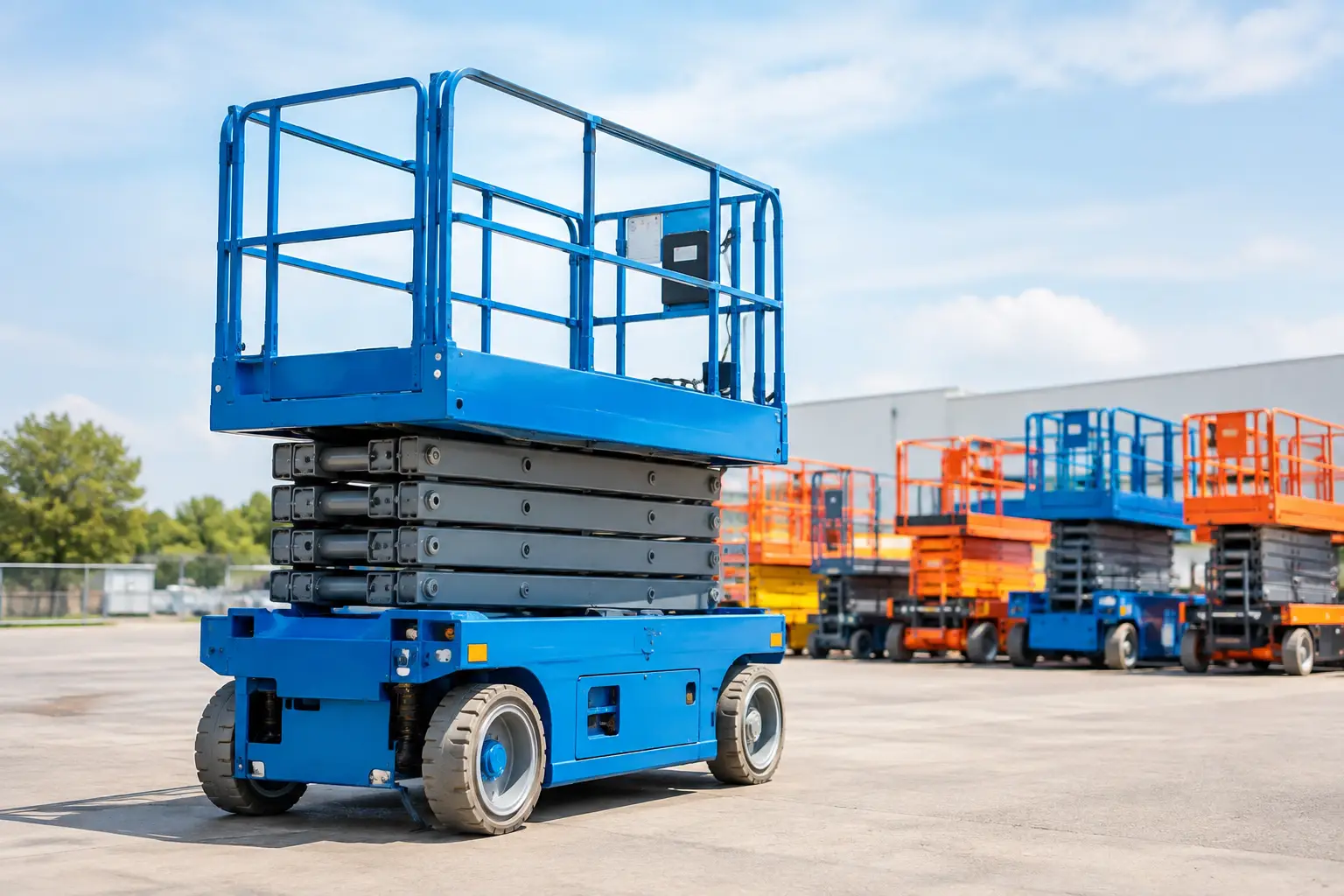
Scissor lifts are often the straightforward choice for vertical access, stock work, fit-outs and planned maintenance on firm, level surfaces. They offer generous platform space but limited outreach. Conventional boom lifts bring greater positioning flexibility for work around machinery, racking, façades and other obstacles.
The right choice depends on whether the work is predominantly vertical or requires reach around and above obstructions. It also depends on floor loading, indoor emissions requirements and turning space. Electric machines suit many internal environments, while diesel models may be better suited to open, rough-terrain sites.
What to check on used access platforms for sale
Used equipment should be assessed on evidence, not appearance alone. Clean paintwork is welcome, but service history, operating performance and inspection records tell you far more about how the machine has been treated.
Before committing, establish the machine’s hours, year of manufacture, ownership history and its intended use. A higher-hours unit with consistent maintenance can be a safer prospect than a low-hours machine that has spent long periods unused or has gaps in its history. Ask whether the platform has worked in harsh environments, on hire fleets or in corrosive industrial settings, as these conditions can affect components differently.
Pay close attention to the following areas during inspection:
- Structural condition, including the boom, chassis, welds, basket, guardrails and stabiliser legs.
- Hydraulic hoses, cylinders and fittings for leaks, wear, damage or signs of repeated repair.
- Controls, emergency lowering systems, interlocks, alarms and safety devices in both ground and platform positions.
- Batteries, chargers, engine starting, fluid levels and the operation of every available power mode.
- Tyres or tracks, slew ring condition, pins and bushes, plus signs of excessive play during movement.
A current thorough examination record is useful, but it does not remove the buyer’s responsibility to satisfy themselves that the machine is suitable for their work. In the UK, ongoing compliance with LOLER and PUWER remains part of safe ownership and operation. Build the cost of future inspections, servicing and any required repairs into the purchase decision rather than treating them as an afterthought.
Calculate ownership cost, not just purchase price
The lowest-priced machine is not automatically the best commercial buy. Consider likely servicing requirements, replacement-part availability, battery renewal, tyre or track wear, transport, insurance and operator familiarisation. For a machine used only occasionally, a compact towable unit may offer better value than a larger self-propelled boom that sits idle between projects. For a busy access contractor, extra outreach or faster repositioning may justify the higher initial spend.
Finance can help preserve working capital, while part-exchange can reduce the cost and administration of replacing an existing platform. Delivery cost also matters, particularly for heavier machines or remote locations. It is worth asking for a clear quotation that separates the machine price, delivery and any agreed preparation work, so there are no assumptions on either side.
Buy with support behind the machine
The best used-machine purchase is one where the supplier understands the job as well as the equipment. Pure Platforms can help buyers compare available stock, source commercially available makes and models, consider finance quotations, calculate delivery costs and value a part-exchange. That practical support is particularly useful when the specification is close and one detail, such as machine width, stabiliser spread or towing weight, decides the outcome.
Have your site dimensions, target working height, ground conditions, transport arrangements and budget ready before requesting a quotation. The clearer the brief, the faster you can move from a shortlist to a platform that earns its place on site. Buy for the work you do most often, while leaving enough capability for the jobs that make the investment worthwhile.