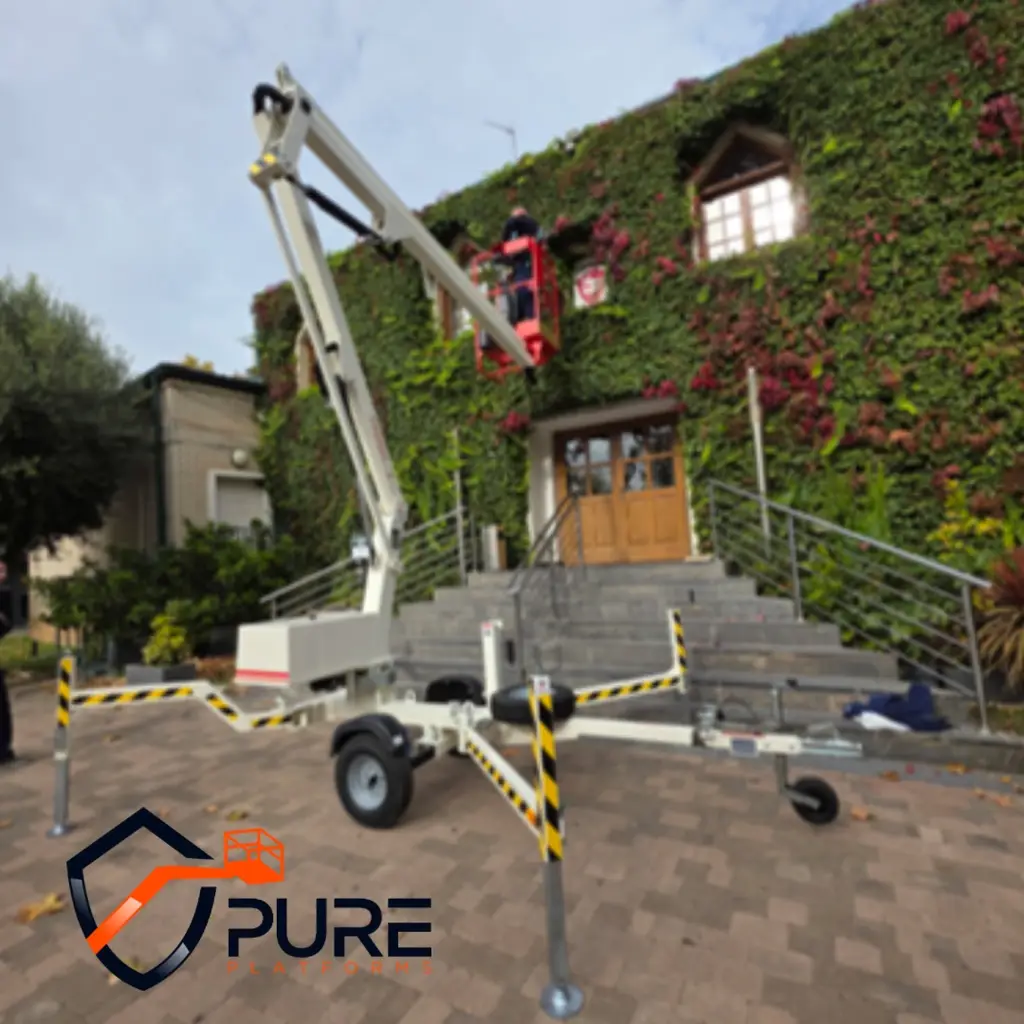
A Niftylift 90 replacement is rarely just about finding another machine with a similar maximum working height. For many operators, the new Parma 9 needs to earn its place by fitting the same tight sites, towing sensibly behind the right vehicle, setting up confidently and keeping jobs moving without adding complications for the crew.
That matters because compact access platforms tend to work hard. They are used for property maintenance, roofing, tree work, signage, facilities work and light construction, often on sites where a larger boom simply cannot get close enough. The best replacement is the one that protects that flexibility while making day-to-day ownership easier.
Is the new Parma 9 the right Niftylift 90 replacement?
The first question is not whether the machine carries a similar number in its name. It is whether it can complete the work your existing Niftylift 90 currently handles.
Start with the access envelope. Check the stated working height, platform height, maximum outreach and safe working load, then compare those figures with real jobs rather than brochure averages. A machine that reaches a gutter line may not provide enough room to work around a roof edge, clear an obstacle or position two operatives with tools and materials. Equally, extra reach is only useful if the platform can be positioned where it is needed.
Next, look at travel and set-up dimensions. A compact platform may be required to pass through a gateway, alongside a house, into a rear yard or between industrial buildings. Measure the narrowest regular access point, allowing for mirrors, uneven ground, gate furniture and the turning space needed to manoeuvre the unit. Working height gets the attention, but width and practical access often decide whether a platform is productive.
For buyers assessing the new Parma 9 as a Niftylift 90 replacement, it is sensible to request the full current specification and assess it against the exact machine being replaced. Niftylift 90 variants, age and condition can differ, and manufacturers can update specifications. A like-for-like decision should be based on the supplied data sheet, serial-number details where relevant, and a proper discussion about your usual sites.
Transport weight can change the whole buying decision
A road-towable platform is valuable because it can be moved between jobs without arranging a lorry or specialist haulage for every relocation. But towing is not a box to tick. It has to work legally, safely and commercially with the vehicles and drivers in your business.
Confirm the machine’s gross vehicle weight, towing arrangement and any optional equipment that affects transport mass. Then consider the actual tow vehicle, its permitted towing capacity, payload, nose weight and the driver licence entitlement within your team. A platform may look ideal on paper but create unnecessary disruption if only one vehicle or one driver can legally move it.
Transport length and storage also deserve attention. Think about where the machine will live overnight, whether it can be parked securely at your yard, and how easily it can be positioned at a customer’s premises. If your current machine is regularly kept on a domestic drive, a small compound or a shared depot, do not assume a replacement will be equally straightforward.
There is a trade-off here. A heavier machine may bring useful stability, a larger basket or more equipment, but it can reduce towing flexibility. A lighter compact unit can be easier to move and may open up more work, provided it still has the outreach, ground capability and platform capacity your crews need.
Stabilisation is where site reality takes over
Many compact access jobs involve imperfect ground. Gravel drives, sloping gardens, uneven yards and soft verges are normal conditions, not exceptions. That makes the stabilisation system central to the buying decision.
Ask how the Parma 9 is levelled, how much space the outriggers require and whether the footprint changes depending on set-up position. A machine can be compact in transport yet need more clear ground at the working location than expected. On restricted sites, the ability to position stabilisers intelligently can make the difference between getting on with the job and losing time finding another solution.
The operating process matters too. Clear controls, visible levelling information and a straightforward set-up routine reduce pressure on the operator at the start of a job. If several people will use the platform, consider who needs familiarisation and how the machine’s controls compare with the unit it replaces. A change in layout is not necessarily a problem, but crews should not be left to work it out on a busy site.
Ground assessment remains the operator’s responsibility. Stabilisation features support safe use; they do not make unsuitable ground safe. Plan for underground services, drainage covers, slopes, soft edges and overhead hazards before deploying any platform. A replacement machine should improve your capability, not encourage shortcuts.
Power choice should match the work pattern
Power configuration has a direct effect on where and when a compact platform can work. If the machine will spend most of its time outdoors on short maintenance visits, a conventional engine-driven arrangement may suit the job pattern. If it needs to work around occupied buildings, schools, hospitals, warehouses or sensitive neighbours, noise and emissions become much more significant.
Consider how long the platform normally operates on site, whether a mains supply is reliably available and how your team deals with charging or refuelling. The right answer depends on the work. There is little value in paying for a configuration that does not suit your operating pattern, but there is also a cost to turning down jobs because the machine cannot meet site restrictions.
Look beyond the purchase price
Replacing a dependable older platform can feel expensive even when repair costs are beginning to mount. The comparison should therefore be between ownership costs, not simply headline prices.
An older machine may have a lower capital cost but bring more downtime risk, less predictable parts expenditure and a reduced resale position. A new Parma 9 may offer the benefit of a fresh warranty position, updated controls and a clear maintenance starting point. That said, new is not automatically the right route for every fleet. A well-inspected pre-owned machine can be the sensible answer when utilisation is lower or capital must be directed elsewhere.
Before making a decision, set out the expected cost of servicing, inspections, repairs, insurance, transport, finance and lost earning time. Then compare that with expected utilisation. A platform used several days each week needs reliability and fast support. A machine used occasionally may justify a different buying approach, including used stock or a carefully selected alternative model.
Part-exchange should form part of the conversation rather than an afterthought. A realistic valuation of the outgoing Niftylift 90 can simplify the changeover and reduce the time spent managing private sale enquiries. It also helps to arrange delivery around the handover so crews are not left without access equipment during booked work.
Questions worth asking before committing
A proper quotation should give you more than a number. Ask for confirmed current specifications, supplied equipment, lead time, delivery cost and warranty terms. Establish what operator familiarisation is available, what documentation comes with the machine and how servicing or parts support will be handled after delivery.
It is also worth discussing the jobs the platform may need to take on next year, not only the work it does now. If your business is increasingly carrying out facilities contracts, domestic maintenance or work on restricted commercial estates, flexibility may be worth more than a marginal saving on purchase price.
At Pure Platforms, the practical route is to compare the Parma 9 against your actual Niftylift 90, your transport arrangements and the sites your teams visit every week. The right replacement should arrive ready to work, fit the way your business operates and give you confidence long after the delivery day.