A low-hour platform with a tidy paint finish can still create an expensive site problem if its paperwork is incomplete. Used lift certification is not one document that proves a machine is ready for work. For a pre-owned MEWP, it is the combined evidence that the platform is correctly identified, has been examined, maintained and can be operated safely for its intended job.
For UK contractors, fleet managers and owner-operators, that evidence matters just as much as working height, machine width, basket capacity and transport weight. A road-towable lift may be ideal for fast deployment. A tracked spider lift may get through a narrow gate. But neither is a sensible purchase if the compliance history is unclear or the next examination is already overdue.
What used lift certification actually means
In everyday conversation, buyers often ask whether a lift is “certified”. In practice, several separate requirements and records sit behind that question. The key point is that a thorough examination, a routine service and an operator inspection are different things.
A thorough examination is a formal inspection under the Lifting Operations and Lifting Equipment Regulations 1998, normally known as LOLER. Where a MEWP lifts people, it will generally require examination at least every six months, unless it is covered by a written scheme of examination. The competent person carrying it out must be sufficiently independent and technically capable to identify safety-critical defects.
Maintenance is the work needed to keep the machine in safe operating condition. It may include replacing worn components, checking hydraulic functions, testing safety devices and completing manufacturer-scheduled servicing. A good service record supports the machine’s condition, but it does not replace a LOLER thorough examination.
Pre-use checks are the operator’s responsibility before a shift or hire period. They are there to spot obvious issues such as leaks, damaged hoses, failed controls, tyre damage, loose guardrails or faults with emergency lowering. They do not replace either maintenance or thorough examination.
The machine must also be suitable for the work under PUWER, the Provision and Use of Work Equipment Regulations. That means considering ground conditions, wind limits, indoor or outdoor use, access routes, operator competence and whether the selected platform has the reach and capacity to complete the task without unsafe improvisation.
Used lift certification documents to ask for
Before agreeing a purchase, ask to see the actual records, not simply an assurance that paperwork is available. Match every document to the machine’s serial number and check that dates follow logically. A gap in history does not automatically make a used lift a poor buy, but it does affect risk, price and the work needed before it goes to site.
A sensible document pack should include:
- The latest LOLER thorough examination report, including any defects, observations and the date of the next examination.
- Service and maintenance history, ideally with hours recorded so that the work can be compared with the machine’s current hour meter reading.
- The declaration of conformity and operating manual supplied for the model and serial number, where available.
- Evidence of repairs, major component replacement, safety recalls or inspections following damage, overload or transport incidents.
Look closely at the LOLER report rather than just the pass date. A report may identify defects that require attention before continued use, or observations that should be monitored at the next visit. If remedial work has been completed, ask for the repair record. A verbal confirmation is not the same as evidence that a safety-critical item has been rectified.
Where history is limited, factor a fresh thorough examination and a proper workshop assessment into the buying plan. That is often the quickest route to clarity. It is far better to establish condition before the platform is booked onto a job, transported to a remote site or placed into a hire fleet.
CE, UKCA and the machine’s original documentation
Markings can cause unnecessary confusion when buying used access equipment. A CE mark or UKCA mark is not a current safety certificate and it does not replace a LOLER examination. It relates to the equipment being placed on the market and its conformity documentation at the relevant time.
For a used machine, the practical checks are that the marking and declaration are credible for the age and origin of the platform, the serial number is legible, and the operating instructions are available in English. Do not reject an otherwise suitable older machine simply because it carries CE marking rather than UKCA marking. The regulatory position depends on when and how equipment was placed on the Great Britain market, and requirements can change.
What should raise concern is an altered, missing or unreadable serial plate, a declaration that does not correspond with the machine, or modifications that have changed the platform from its original specification. Fitting non-approved attachments, changing guardrails, altering controls or modifying the chassis can create new responsibilities. In that position, obtain specialist advice before putting the machine into service.
The manual is not a box-ticking extra. It tells the operator and owner the rated capacity, wind limits, permitted gradients, stabiliser set-up, emergency lowering method, battery charging requirements and inspection intervals. On compact spiders and stabilised rough-terrain booms, those limits directly affect whether the machine can work safely on the ground conditions in front of it.
Check the machine as well as the paperwork
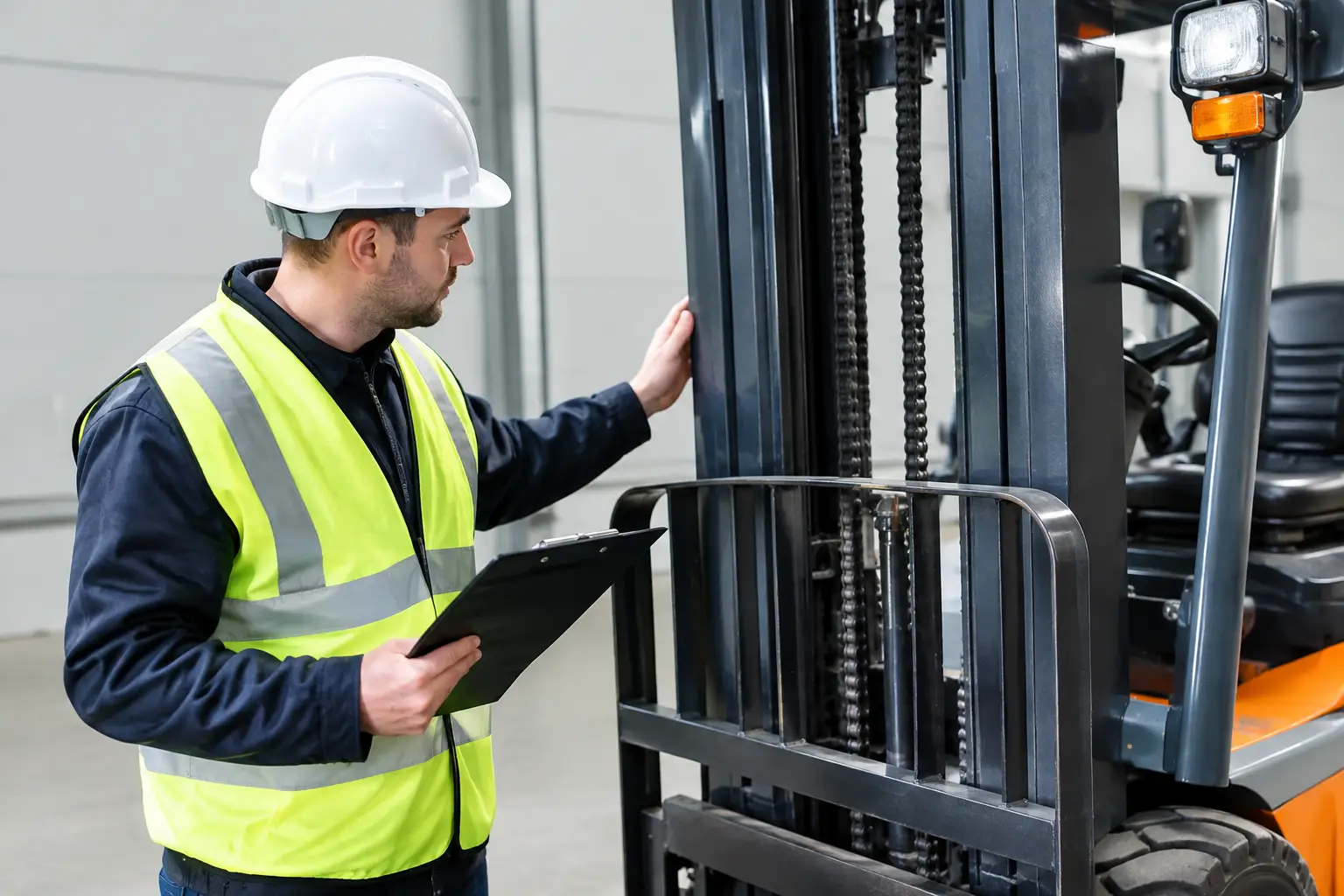
Documents tell part of the story. The physical inspection tells you whether that story holds up. View the platform with the boom or scissor fully operated where possible, and allow enough time to check all functions rather than starting it, raising it briefly and calling it done.
Pay particular attention to the basket, guardrails, gate, anchor points, emergency stop buttons, emergency lowering controls and control-box operation. Check hydraulic cylinders and hoses for leakage or damage. On a boom, inspect pins, bushes and wear points. On a scissor lift, look for damaged links, distorted structure and signs of overloading. On tracked machines, assess track condition, slew operation and stabiliser legs. On road-towable platforms, include the hitch, brakes, lights, tyres and breakaway cable in the inspection.
Hour readings can be useful, but they should never be used alone to judge value. A lightly used platform stored outside without regular charging, servicing or corrosion control can need more attention than a higher-hour machine with a disciplined maintenance record. Equally, fresh paint around a basket or boom section may be harmless refurbishment, or it may deserve a direct question about previous damage.
Ask the seller how the lift has been used. A machine that has spent its life carrying out indoor facilities work will have faced different wear from one used on uneven construction sites, in tree work or on heavy cladding projects. Neither history is automatically bad. The point is to buy with the operating environment in mind.
Who is responsible once you buy?
Once the machine enters your fleet, responsibility for safe use sits with the dutyholder. That usually means arranging thorough examinations at the correct interval, maintaining the platform, keeping records, ensuring operators are trained and authorised, and planning work properly.
Operator training is separate from machine certification. IPAF training is widely recognised within the UK access industry, but a valid card does not remove the need for machine familiarisation on the specific model. A trained operator still needs to understand that platform’s controls, emergency procedures, stabiliser sequence, slope limits and manufacturer instructions.
If you are buying for occasional use, it can be tempting to focus only on the purchase price. Consider the first-year ownership cost instead: examination, servicing, transport, insurance, replacement batteries or tyres, repairs, and downtime if a defect is found after delivery. A slightly higher-priced machine with clear records and a known inspection position can be the more commercial choice.
Make certification part of the buying decision
The right used MEWP is one that fits the site, the workload and the support plan behind it. Before committing, confirm its working height and outreach, closed width, ground capability, power source, loading arrangement and documentation status in the same conversation. That prevents a compliance check becoming an afterthought once the machine has arrived.
Pure Platforms can help buyers compare pre-owned options and identify the practical questions worth asking before delivery. If a platform has an unclear examination history, budget for an independent assessment rather than hoping the next job will expose no issues. A clean, traceable record gives you something more useful than a certificate to file away: confidence to put the machine to work.